Culverts, fencing posts and road kerbs are some of the most useful precast concrete products you can make. Builders, farmers, estate developers and road contractors all need them, and the moulds cost far less than a block machine. Choosing the right moulds comes down to three things: the size and shape the job calls for, how many pieces you need each day, and how well you compact and cure the concrete. This guide covers each product in turn, with current prices from our catalogue.
Culvert moulds
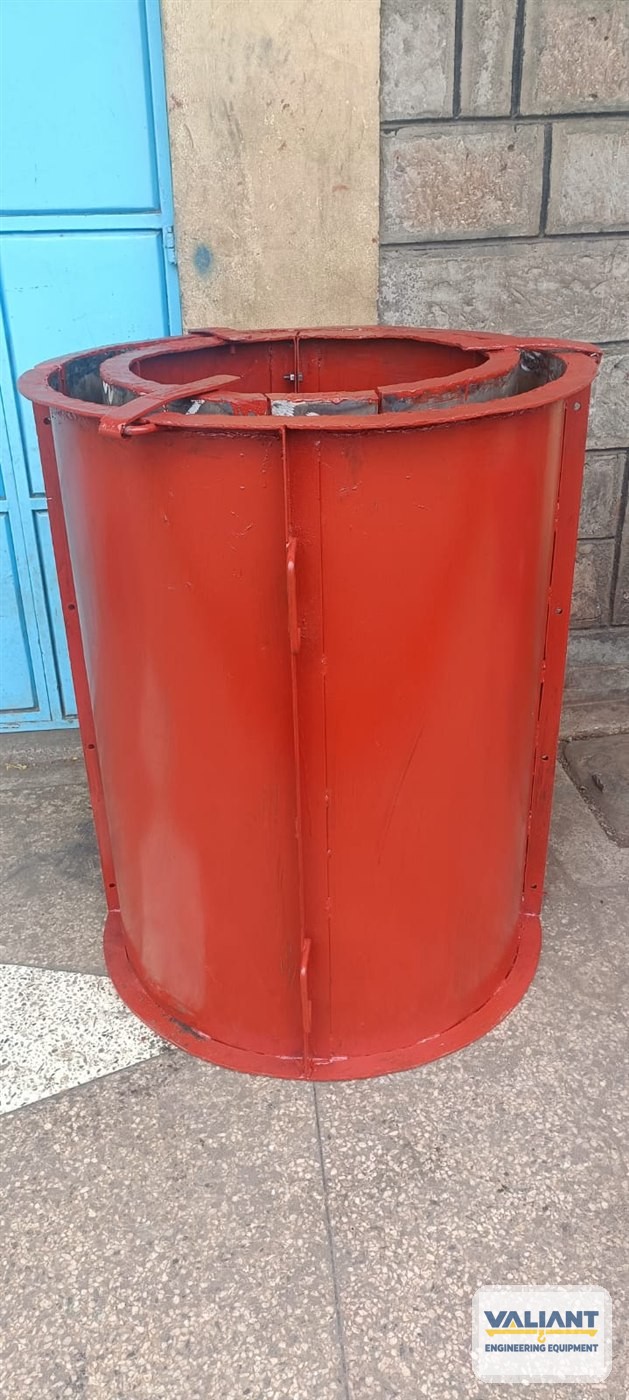
Culverts carry water under roads, driveways and farm tracks. Our Culverts Molds (KES 40,000) come as a set with an outer culvert, a base ring and an inner culvert. For frequent production or drainage on busier roads, the Heavy Duty Culvert Moulds (KES 45,000) are an upgraded, heavier set.
- Match the size to the design. On county or road projects, the culvert diameter is usually set in the drawings or the bill of quantities. Check the required size first, then ask us on WhatsApp which sizes we can supply.
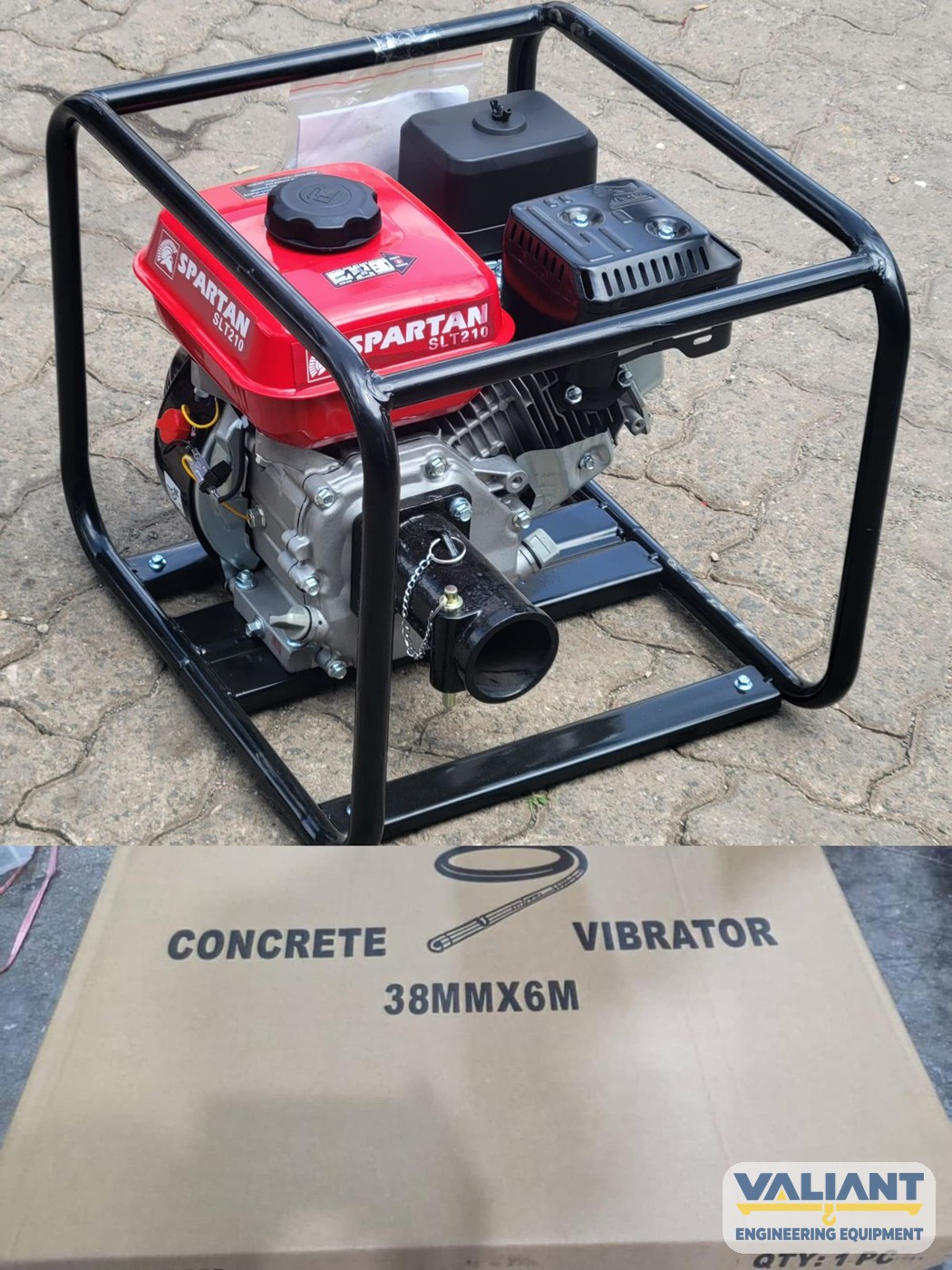
- Compact thoroughly. Culvert walls are tall and narrow, so air gets trapped easily. A Concrete Vibrator Poker (KES 50,000) helps the concrete fill the mould completely.
- Plan for handling. Finished culverts are heavy. Decide where they will be cast, cured and loaded before you start.
Fencing post moulds
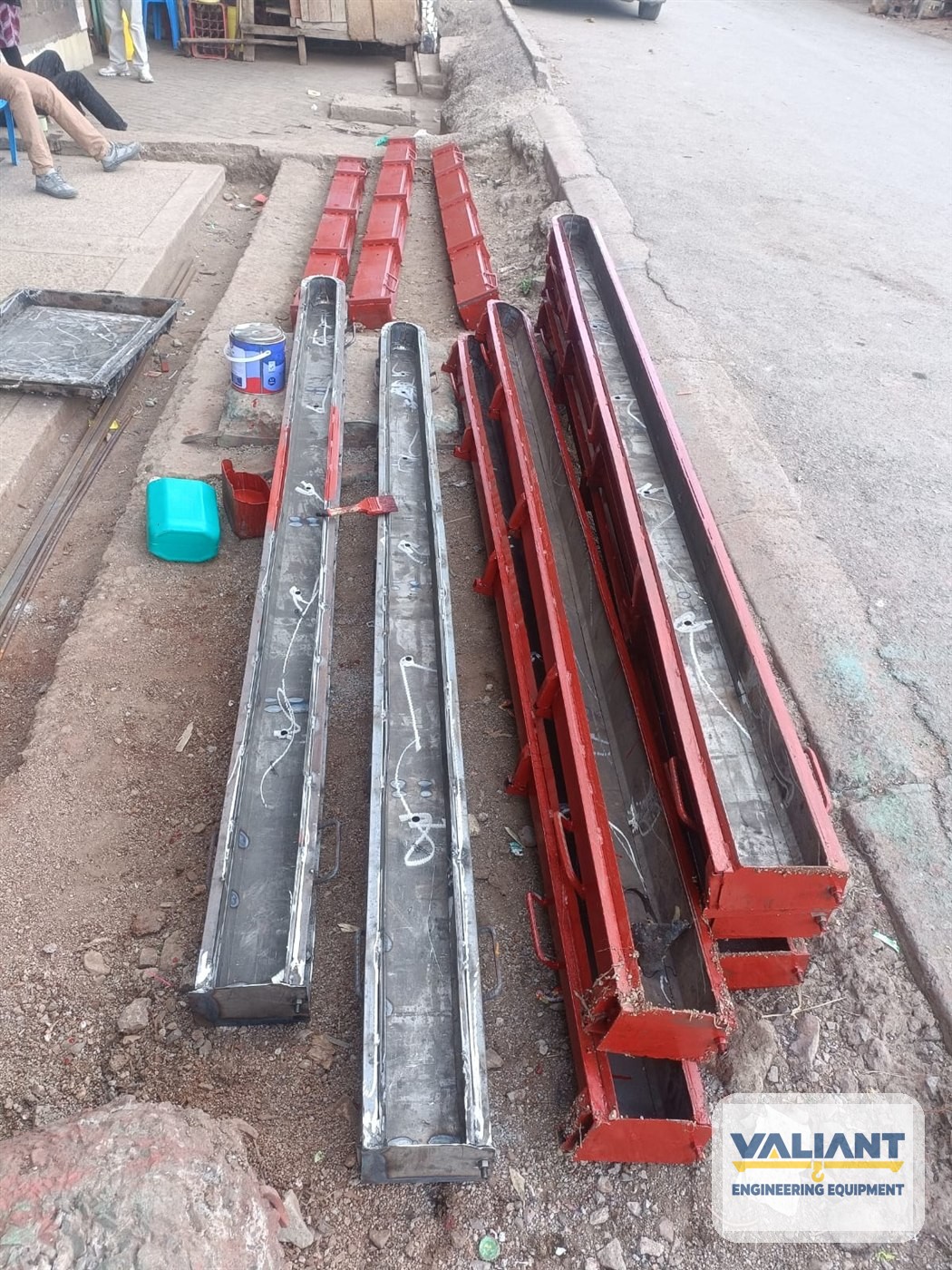
Concrete fencing posts last much longer than timber in wet ground and are not eaten by termites. We stock Fencing Post Moulds (KES 13,500), the Fencing Post Mold (Standard) (KES 12,500) and Fencing Supporter Moulds (KES 12,500) for the angled supports used at corners and gates.
- Pick the length for the fence. Think about the fence height plus the depth that goes into the ground, and choose a mould that suits it.
- Place reinforcement carefully. Posts are long and slender, so they are normally reinforced with steel bars. Keep the steel away from the mould walls so it ends up fully covered by concrete.
- Vibrate the moulds. A Vibrating Table Machine (KES 220,000) settles concrete in fencing post moulds and releases air pockets, giving denser, stronger posts.
- Count the corners. To estimate how many posts a fence needs, divide the boundary length by the spacing between posts, then add extra for corners, gates and supports.
Road kerb and channel moulds
Kerbs edge roads, parking areas and walkways, and channels carry surface water away. We stock Road Kerbs Moulds (KES 4,500), Road Channel Moulds (KES 3,500), Shallow Drain Moulds (KES 6,500), Side Slab Moulds (KES 3,500) and the Drainage Mold (KES 6,500).
- Follow the specified profile. If you are supplying a road project, use the kerb and channel shape and size given in the contract drawings.
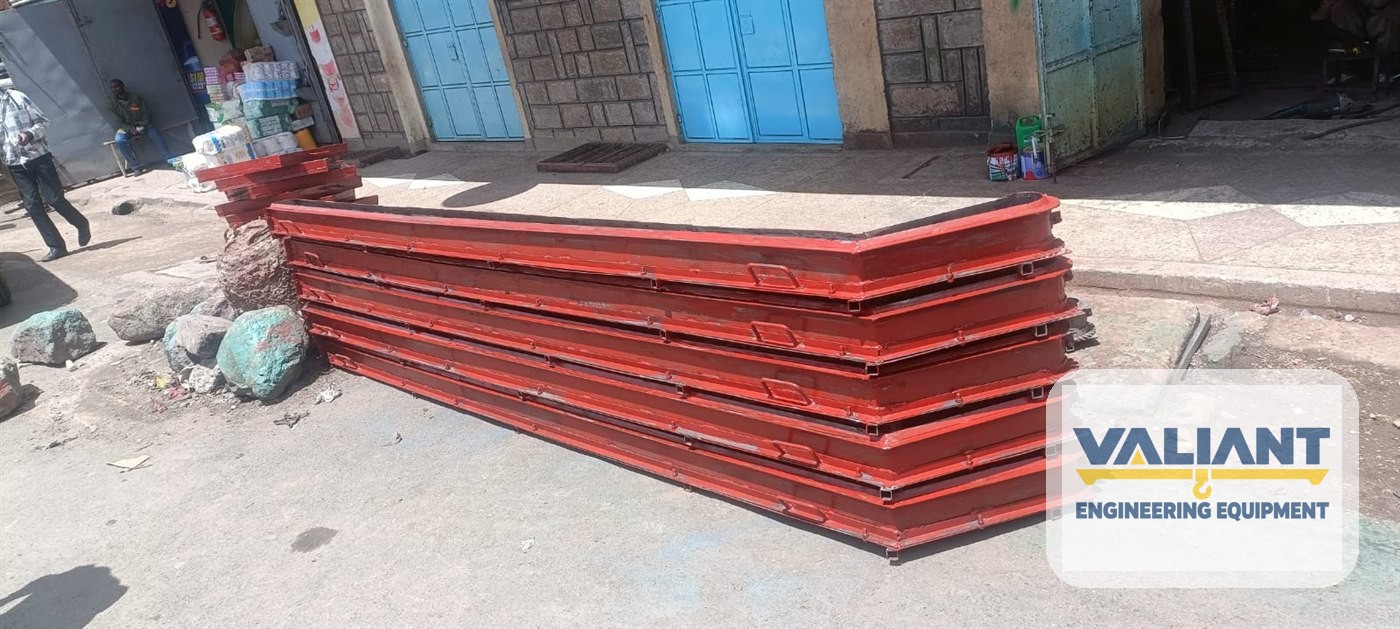
- Keep every piece the same. Kerbs and channels are laid end to end, so small differences show. Our road channel moulds are made to a ±1mm tolerance so units line up when laid.
- Use a well-graded, well-compacted mix. Kerbs take knocks from vehicles, so a dense, properly vibrated concrete lasts longer.
How many moulds should you buy?
Each mould usually produces one piece per day, because the concrete must set before you can remove it. So the number of moulds you own is roughly your daily output. If you want to cast 20 fencing posts a day, you need about 20 post moulds — at today's price, KES 270,000. Starting with fewer moulds and adding more as orders come in keeps your first investment small.
Tips that apply to every precast mould
- Clean each mould after use and apply a release agent before every cast so pieces come out cleanly.
- Mix every batch the same way, with the same proportions and the same amount of water.
- Fill in layers and vibrate well to remove trapped air.
- Keep finished pieces shaded and damp for several days while they cure.
- Cast sample cubes in a Concrete Cube Test Mold (KES 5,500) so a lab can test the strength when a client asks for it.
- Store moulds flat and out of direct sun, and check them for damage before each use.
Browse all of these on our moulds page, visit our Kariobangi North workshop in Nairobi, or ask on WhatsApp about delivery to your town.